
Mathematics
Together We Make Learning A Memorable, Unmissable Adventure
Staff at Newton Burgoland Primary School recognise that mathematics is a creative and highly inter-connected discipline that has been developed over centuries, providing the solution to some of history’s most intriguing problems. It is essential to everyday life; critical to science, technology and engineering; necessary for financial literacy and most forms of employment; and will be the key to securing the future of our planet.
Therefore, we strive to deliver a high-quality mathematics education which provides a foundation for understanding the world; the ability to reason mathematically; an appreciation of the beauty and power of mathematics; and a sense of enjoyment and curiosity about the subject.
Aims
At Newton Burgoland Primary School we aim to ensure that all pupils:
- become fluent in the fundamentals of mathematics, including through varied and frequent practice with increasingly complex problems over time, so that pupils develop conceptual understanding and the ability to recall and apply knowledge rapidly and accurately
- reason mathematically by following a line of enquiry, conjecturing relationships and generalisations, and developing an argument, justification or proof using mathematical language
- can solve problems by applying their mathematics to a variety of routine and non-routine problems with increasing sophistication, including breaking down problems into a series of simpler steps and persevering in seeking solutions
Mathematics is an interconnected subject in which pupils need to be able to move fluently between representations of mathematical ideas. Pupils should make rich connections across mathematical ideas to develop fluency, mathematical reasoning and competence in solving increasingly sophisticated problems. They should also apply their mathematical knowledge to science and other subjects.
We expect that the majority of our pupils will move through the programmes of study at broadly the same pace. However, decisions about when to progress should always be based on the security of pupils’ understanding and their readiness to progress to the next stage. Pupils who grasp concepts rapidly are challenged through being offered rich and sophisticated problems before any acceleration through new content. Those who are not sufficiently fluent with earlier material should consolidate their understanding, including through additional practice and support, before moving on.
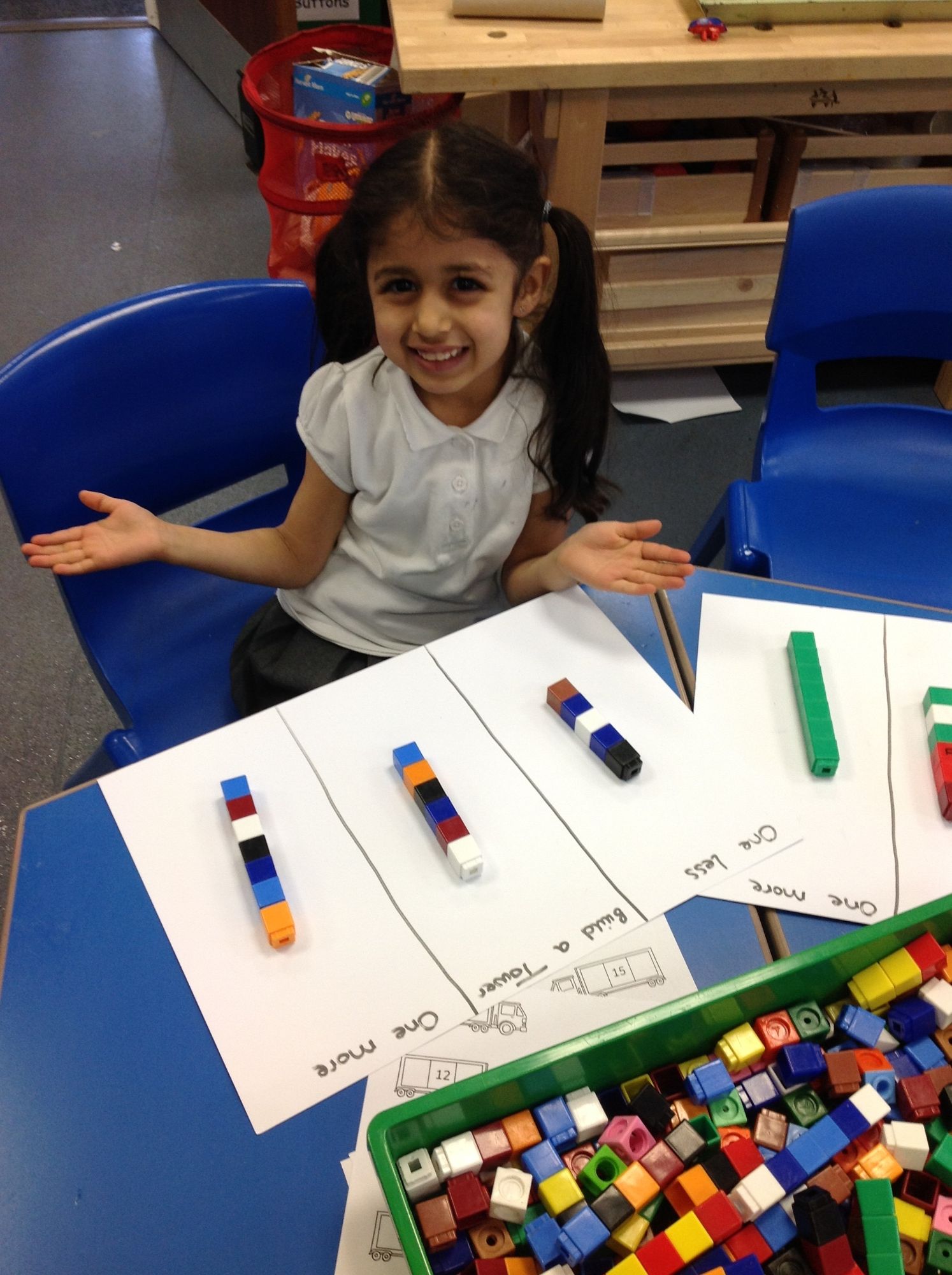
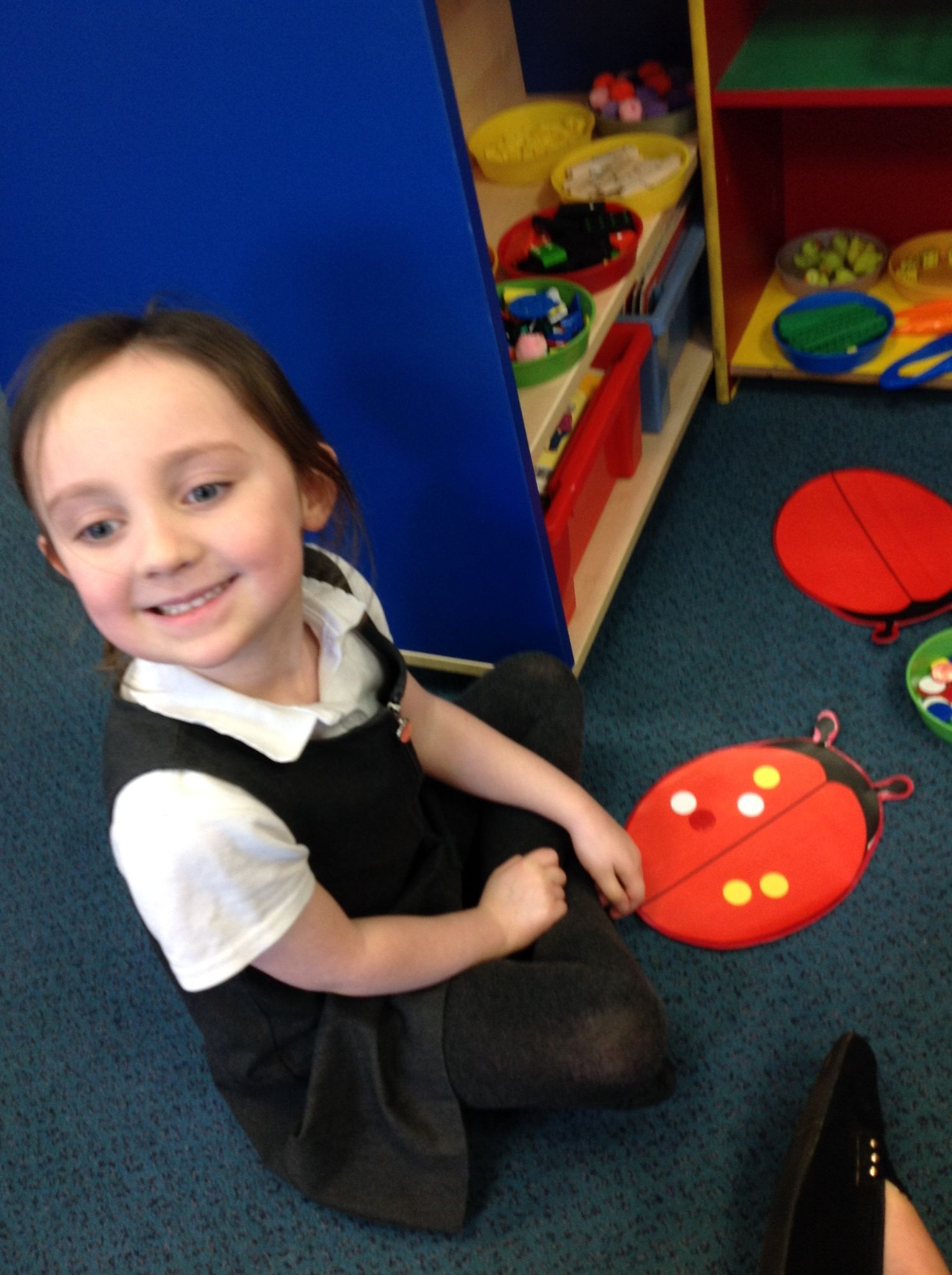
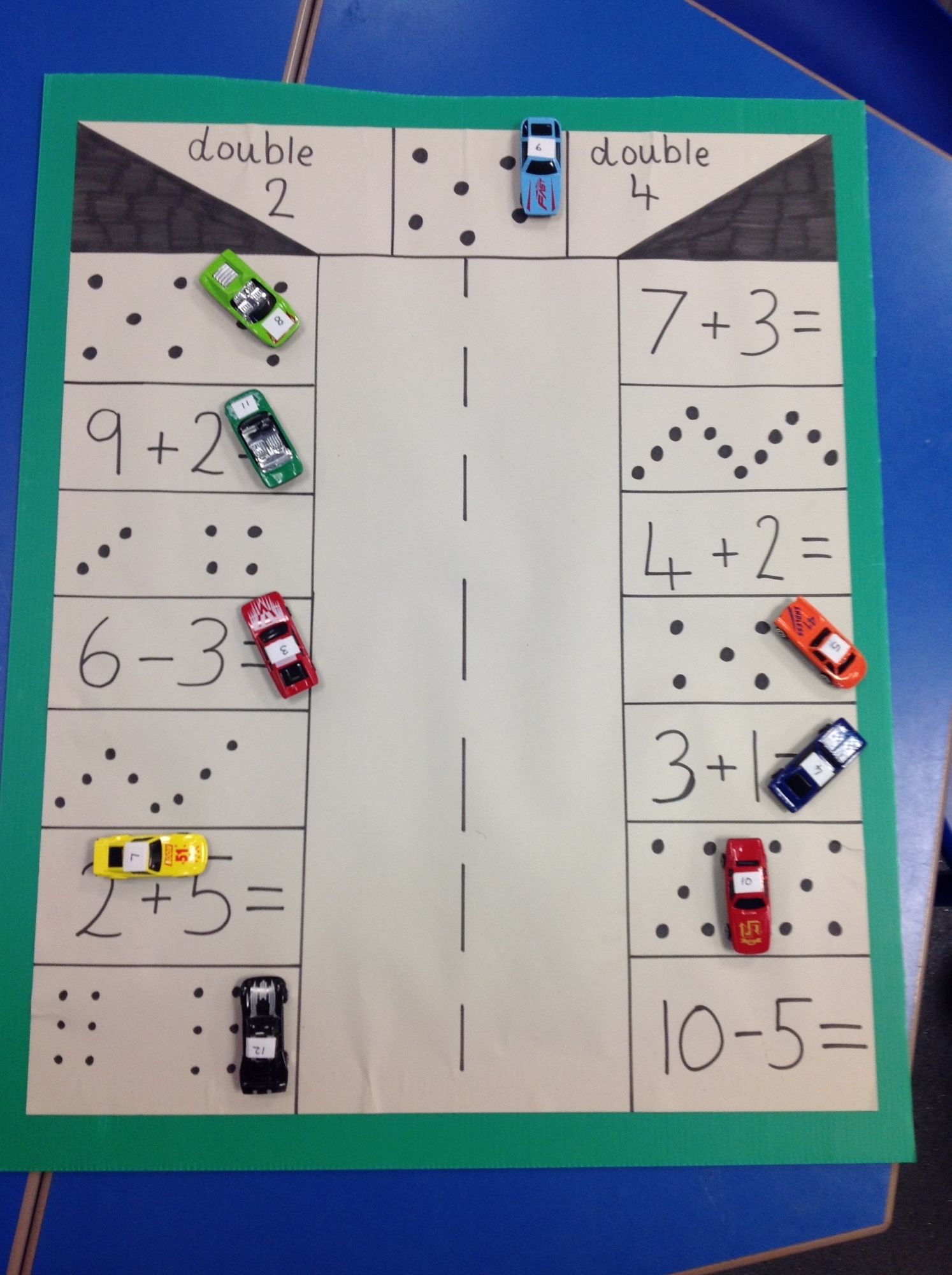
Class one learning maths through play using a range of equipment in their maths area.
Eyfs Maths plan and progression
Accordion con


year 1 maths plan and progression

year 2 maths plan and progression
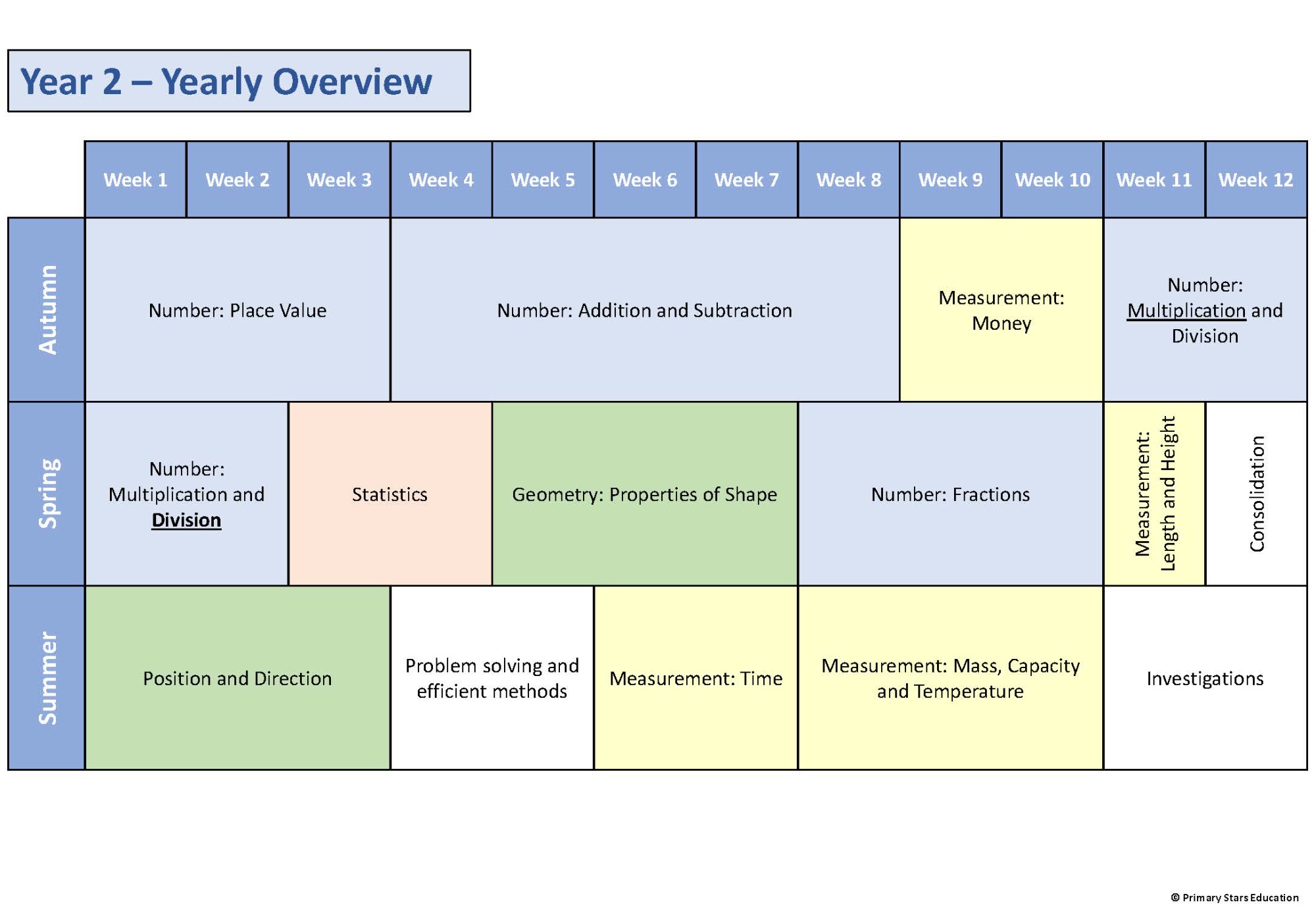
This plan will be adjusted in response to formative and summative assessments.
Key stage 2 maths plan and progression Y3 - 6
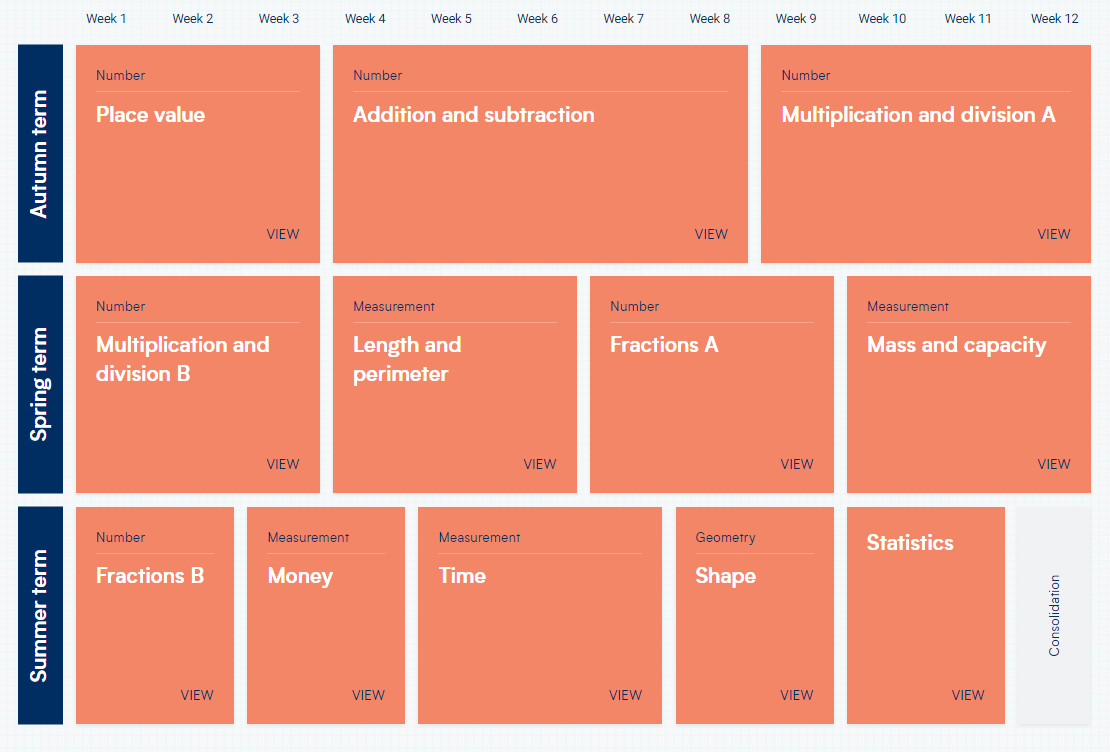
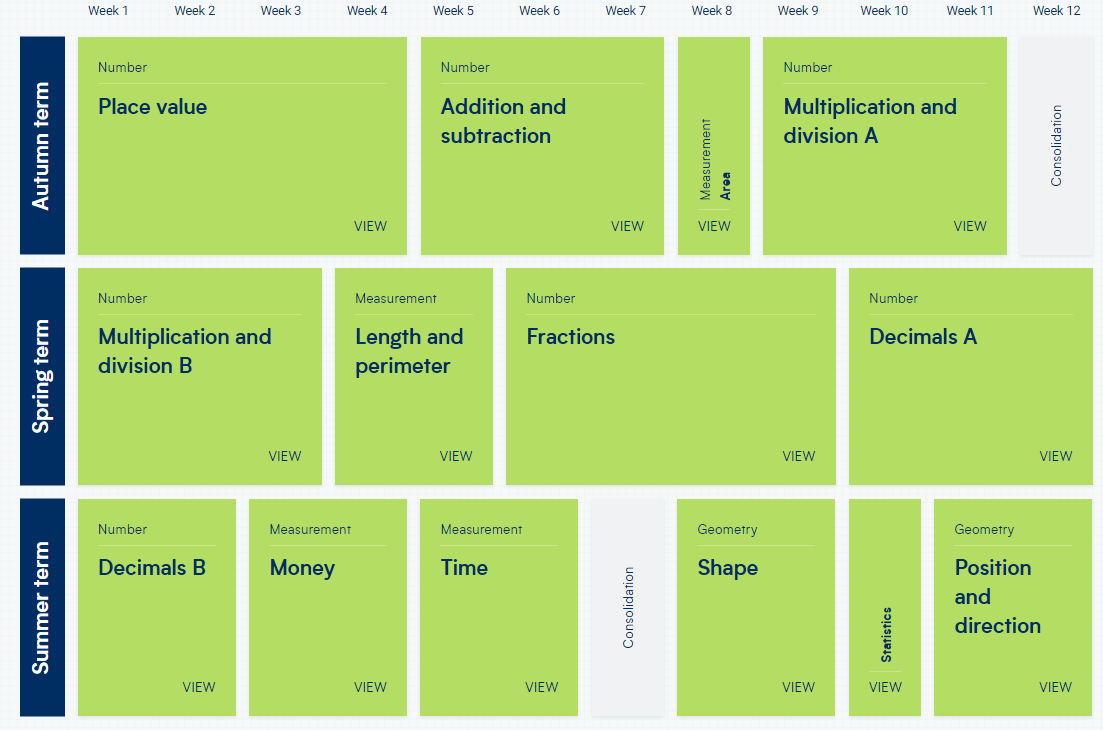
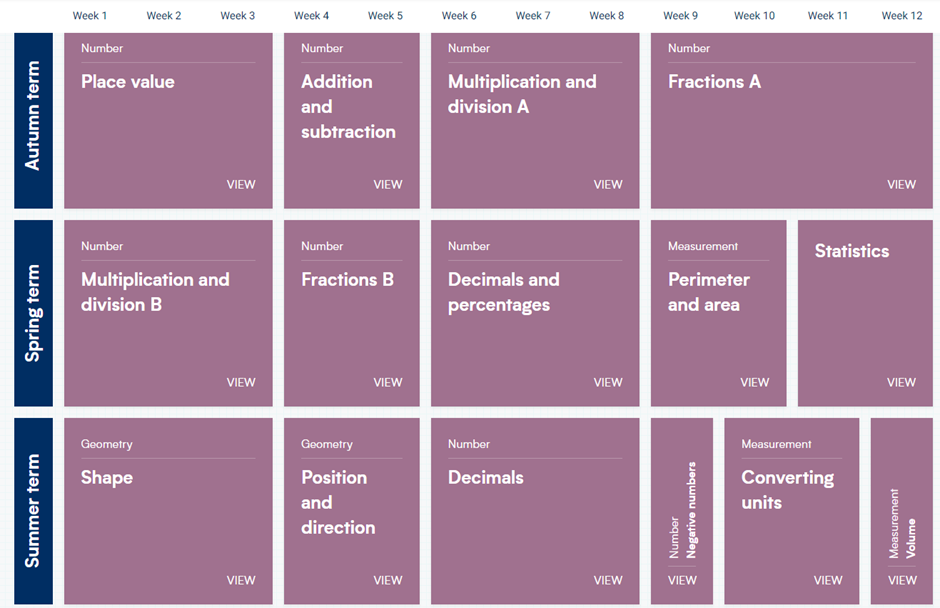
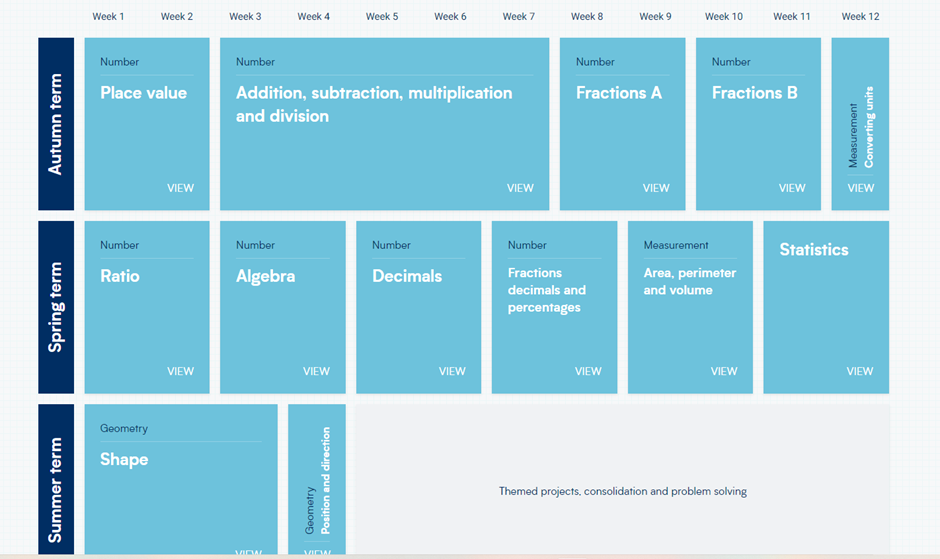
Maths planning at newton burgoland primary school
The staff here at Newton Burgoland Primary School have done a lot of learning about Pedagogy: how students learn best. In light of this, we are currently reviewing our maths curriculum.
We will continue to ensure that the National Curriculum for Maths is fully covered and that lessons are sequenced logically, broadly in line with the progression maps above.
Maths Lessons at Newton Burgoland Primary School
- Retrieval of previous learning that will be drawn upon in the lesson. These tasks will allow teachers to assess prior learning and address misconceptions.
- New learning in granular steps of 'I do', We do', 'You do'. Use of wipe boards to aid assessment. Everyone thinking. Everyone doing. Everyone learning.
- Opportunity for independent fluency activities. Children will be stretched and receive short loop feedback. Misconceptions can be addressed.
- Then there will be opportunities for reasoning and problem solving tasks.
- A short 'Test It' task that will be marked will provide teachers with the knowledge of what step to teach next.
Times Tables Rock Stars
In addition to the daily maths lesson, children have personal logins for ‘Times Tables Rock Stars' and are given opportunities during the week to practice skills at a level appropriate to their current levels of attainment. Class teachers can check progress and achievement. Children are also required to complete sessions at home as part of the school’s homework expectations. Certificates are awarded to children who make progress.
Assessment
At the start of the academic year, children complete baseline tests. Teachers use these to ascertain where there are gaps in a particular child’s knowledge and/or where particular concepts are areas of weakness.
Termly formative assessments are undertaken to identify strengths and weaknesses and to assess how close the children are to ARE.
Daily AfL during the lesson and from looking at books provides teachers with the knowledge they need to address gaps on a daily basis. Children are offered support if they fall behind in a lesson or a particular area of maths. Feedback is prompt, developmental and live where possible. Through the use of self-marking and effective plenary sessions, Key Stage 2 children are also encouraged to provide the teacher with feedback on how well they feel they are achieving through self-assessment. On occasion, peer-assessment is appropriate.
Progression in Mathematics
Progression Maps and Calculation Policies
We have worked in partnership with another primary school in our '360 Collaboration' group to develop calculation policies. Below you will find the documents for addition, subtraction and multiplication and division. We hope you find these useful when helping your children with their homework!
Below are the NCETM progression documents for all areas of mathematics. These give the reader an idea of what standard of mathematics they should expect to see being taught at each phase.
The NCETM progression maps are structured using the topic headings as they appear in the National Curriculum:
Number – Number and Place Value
Number - Fractions (including decimals and percentages)
Ratio and Proportion
Measurement
Geometry – properties of shapes
Geometry – position and direction
Statistics
Each of the above categories has been divided into sub categories to illustrate progression in key areas.
It should be remembered however, that teachers still need to be mindful of children having missed learning for various reasons. Therefore, it may still be necessary to cover some areas of maths from the previous years. For example, some Year 5 objectives may need to be covered with Year 6 children before moving on to age-appropriate objectives.